Selling your house can bring two very different feelings at once. You may be excited about your next home while feeling attached to the one you are leaving. That mix is understandable, especially when your house holds years of memories.
You do not have to put those memories aside to make a thoughtful decision. But it helps to separate what the house means to you from how you prepare, price, and present it for sale.
Start with three priorities: price your home realistically, keep emotions from driving negotiations, and help buyers picture themselves living there. A real estate professional can help you work through each one.
1. Price Your Home for the Market You Are Selling In
Your asking price should reflect the market you are entering, not the market you remember. That means recognizing when conditions have changed rather than assuming an earlier pricing approach still fits.
The original market discussion described a shift in which mortgage rates rose, buyer demand eased, and the number of homes for sale grew. The lasting lesson is not tied to a calendar: sellers need to price appropriately for the conditions surrounding their sale.
Greg McBride, chief financial analyst at Bankrate, offered this straightforward advice: “Price your home realistically.” In discussing that market shift, he explained that buyer traffic would be substantially slower, but appropriately priced homes were still selling quickly.
That observation is not a promise about how quickly your house will sell. It is a reminder to ground your asking price in the market rather than your expectations alone.
Avoid Both Pricing Extremes
Pricing too high runs the risk of deterring buyers. Pricing too low can leave money on the table. Neither is a good reason to pick a number without guidance.
An experienced real estate agent can help determine an appropriate asking price. Use that conversation to understand the recommendation, not simply to hear a number.
- Ask what makes the recommended asking price realistic.
- Discuss whether your expectations reflect the market you are actually selling in.
- Talk through the risks of asking too much or too little.
The goal is not to ignore what you hope to receive. It is to put that hope alongside a professional assessment of an appropriate price.
2. Keep Emotions From Setting the Terms
A house can be much more than a place to live. It may be the first home you bought, the place where your loved ones grew up, or the setting for memories that are hard to leave behind.
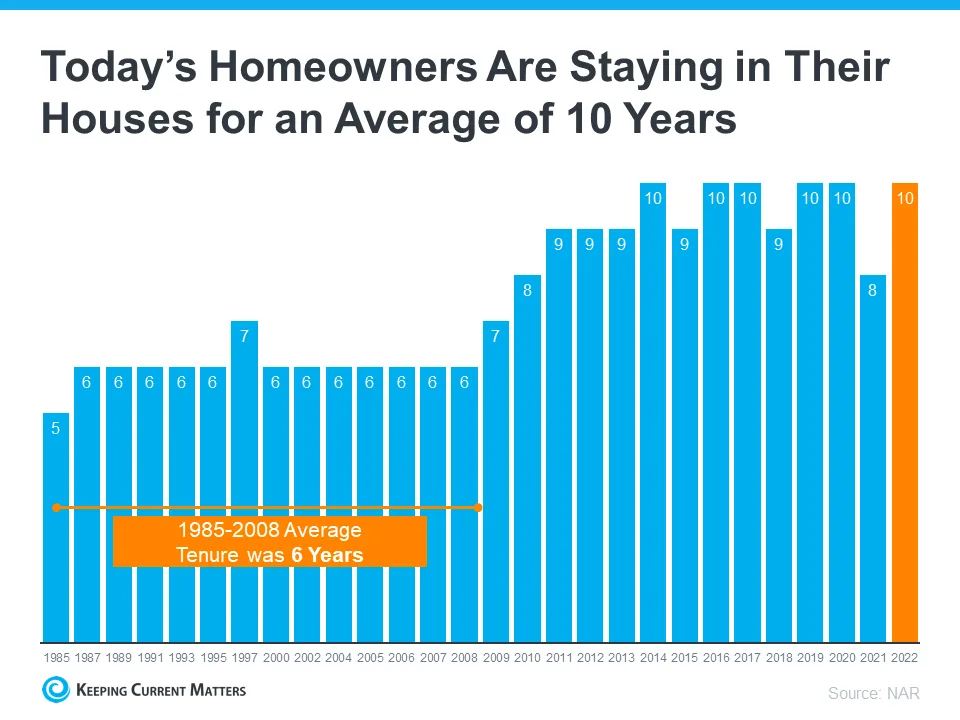
The longer you stay, the stronger that attachment may become. Research cited in the original post from the National Association of Realtors, or NAR, reported that average homeownership tenure had increased from five to ten years. That was several years longer than the earlier historical norm.
That comparison helps explain why selling can feel so personal. When you have spent years making a space your own, separating sentimental value from fair market price can be difficult.
Honor the Memories Without Pricing Them
Your memories matter. But what the house means to your family and what a buyer is willing to pay are different questions.
For some homeowners, that difference makes negotiations especially hard. An offer is about the property being sold, while your attachment may include everything that happened inside it.
This is where a real estate professional can help with negotiations. You can acknowledge the emotional side of leaving while getting guidance on the pricing and terms being discussed.
Before those conversations begin, consider these questions:
- Am I thinking about the house’s market value or its personal meaning?
- Which parts of leaving this home feel hardest to separate from the sale?
- What do I need my agent to explain before I respond to an offer?
You do not need to become indifferent to your home. The practical goal is to keep your attachment from being the only thing guiding a business decision.
3. Stage Your Home With Buyers in Mind
You may love your decor and the ways you have customized your house. A buyer may have a very different style. Preparing to sell means recognizing that difference without treating it as criticism of your taste.
Focus on the first impression your home makes and how it can appeal to as many potential buyers as possible.
NAR describes staging this way:
Staging is the art of preparing a home to appeal to the greatest number of potential buyers in your market.
NAR also says the right arrangements can move a home into a higher price point and help buyers fall in love when they walk through the door. That describes a potential benefit, not a guaranteed price or reaction.
Make Room for a Buyer’s Imagination
Buyers want to envision themselves in the space. They need to picture their own furniture and keepsakes, rather than seeing only your pictures, decorations, and personal choices.
That is the difference between arranging a home for your everyday life and preparing it for someone else to consider buying. The focus shifts from what feels most personal to you to what helps another person imagine making it their own.
Ask your real estate professional for specific suggestions before deciding what to change. Walk through the house together and discuss:
- What first impression does each space create?
- Where do personal pictures or decorations dominate the room?
- What arrangements would help buyers picture their belongings here?
Keep the purpose clear: you are presenting the home to potential buyers, not asking them to share your decorating preferences.
Put the Three Priorities Into Practice
A realistic asking price, a thoughtful approach to emotions, and buyer-focused staging give you three clear areas to discuss with your real estate professional.
Start by scheduling a conversation with a local agent about pricing and preparation. Bring your questions, explain what feels difficult about leaving, and ask for help identifying what to address before listing.
If selling also means planning your next home purchase, reach out to Ed Parcaut to discuss your mortgage questions and your next step.