Selling your house starts before the first buyer walks through the door. Taking time upfront to prepare the property and create a solid plan can help you make the most of your investment.
You do not need to guess where to begin. Focus on three priorities: setting an appropriate price, keeping the house clean, and helping buyers imagine making it their home.
Each deserves attention. A clean house still needs thoughtful pricing. An appropriately priced house still needs to be ready for visitors. The goal is to bring those pieces together with advice from a trusted real estate professional.
1. Price Your House With a Clear Purpose
The price is one of the first things buyers notice. It sends a message about your home before they have a chance to walk through it.
Price it too high, and you could discourage buyers from making an offer. Price it too low, and some buyers may wonder whether there is an underlying problem with the property.
The goal is to attract prospective buyers and encourage offers. That calls for a price grounded in the home's market value, not a guess.
Match Your Pricing Plan to Market Conditions
Housing conditions change. When price growth and buyer demand moderate while the supply of homes for sale increases, appropriate pricing becomes especially important.
Rather than relying on what the market looked like a few months earlier, work with a trusted real estate advisor to determine your home's market value when you are ready to list.
Pricing takes skill and expertise. You do not have to arrive at the right number on your own, and the preparation process is a good time to ask questions.
Use your pricing conversation to work through these points:
- What is the home's market value?
- How does the proposed listing price reflect the market you will be selling in?
- Could that price discourage offers or raise questions for buyers?
- How does the pricing plan support your goal of attracting prospective buyers?
Ask your advisor to explain the reasoning clearly. You want to understand the plan, not simply receive a number and move on.
2. Keep the House Clean and Ready for Visits
Cleaning may sound basic, but it is an important part of giving your home the attention it deserves. Before each buyer visits, look through the house and decide what needs attention.
As realtor.com says in its Home Selling Checklist:
“When selling your home, it’s important to keep everything tidy for buyers, and you never know when a buyer is going to want to schedule a last-minute tour.”
That is a practical reminder to think beyond the initial cleanup. Preparing the house to list is one task. Keeping it ready for buyers is another.
Use a Simple Before-Showing Checklist
Start with the everyday items identified in the original preparation plan:
- Wash the dishes.
- Make the beds.
- Put away clutter.
- Check each space for anything else that needs attention.
These simple steps can reduce distractions. You want buyers looking at the house and considering its possibilities, rather than focusing on dishes or belongings left out.
Walk through the rooms as part of your preparation for each visit. Ask yourself what still needs to be washed, straightened, or put away. Keep the focus on making the space tidy for the people coming to see it.
A home-selling checklist can give you a starting point, but your agent is the best resource for advice tailored to your property. If you are unsure where to focus, ask your agent to walk through the house with you and identify what deserves attention.
3. Help Buyers Picture Themselves at Home
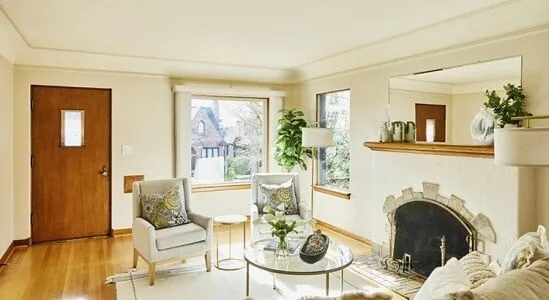
Buyers need an opportunity to imagine how they could make your house their next home. Preparing a more neutral space gives them a blank canvas for that possibility.
Begin with personal items. Pictures, awards, and sentimental belongings are examples of things to consider packing away.
The purpose is not to dismiss what makes the house meaningful to you. It is to give buyers room to consider what living there could mean to them.
Decide What to Pack and What to Leave
Take a room-by-room approach. Look at the personal belongings on display, then consider the furniture arrangement.
Removing excess furniture can help rooms feel bigger. It can also give touring buyers ample room to stand and look at the layout.
If you are unsure what counts as excess, ask your real estate advisor. You do not need to make every decision without guidance.
- Which personal items should be packed away?
- Which pieces of furniture should stay?
- Is there enough room for buyers to stand and consider the layout?
- Does the arrangement help buyers imagine using the space?
Understand the Purpose of Staging
The National Association of Realtors describes staging this way:
“Staging is the art of preparing a home to appeal to the greatest number of potential buyers in your market. The right arrangements can move you into a higher price-point and help buyers fall in love the moment they walk through the door.”
That describes a potential benefit, not a promised result. The practical takeaway is to give the arrangement of your home thoughtful attention. Spending time on this step can pay off, and your advisor can help you decide what should be packed away and what can stay.
Put Your Preparation Plan Into Action
Selling a house takes preparation and expertise. Bring the three priorities together before listing: review the price with your advisor, establish a cleanup checklist, and decide which belongings and furniture to remove.
Your next step: walk through your house and make a short list under those three headings. Note the tasks you can handle and the questions you want to ask a real estate professional.
If you are thinking about selling, reach out to Ed Parcaut to talk through your plans and the guidance you need as you prepare for your next move.