When you sell your house, you usually want three things: the most money you can get, a sale within your preferred timeframe, and as few hassles as possible.
Those goals do not always line up neatly. Even when limited housing supply creates conditions that generally favor sellers, some factors can delay a sale or keep a home from selling.
If your house is not getting the attention you expected, start with three questions: Can buyers easily see it? Does the price make sense compared with similar homes? And does the property make a strong first impression?
Work through those questions with your real estate agent. The point is not to change everything at once. It is to review your approach and use buyer feedback to decide what needs attention.
1. Limited Access: Make It Easier to See Your Home
One of the biggest mistakes a seller can make is limiting the days and times buyers can tour the property. If buyers cannot get inside, they have fewer opportunities to consider your home.
Minimal access means minimal exposure. That matters in any market, not just when selling conditions are challenging.
Showing your house is not always convenient. Still, if your goal is to maximize the opportunity to sell, review whether your showing rules give potential buyers enough access.
Think About Buyers Traveling From Outside the Area
Some of the most motivated buyers may come from outside your local area. Because they are traveling, they may not have the flexibility to rearrange their schedules around a narrow showing window.
Look at your availability from their perspective. If someone has limited time in town, can they realistically get an appointment to see your house?
You do not have to guess about whether access is an issue. Ask your agent to review the showing arrangements with you.
- Which days and times are buyers currently allowed to visit?
- Have buyers requested appointments outside those windows?
- Are there restrictions you could reasonably loosen?
- How can you make the home available as much as possible?
The practical goal is to give interested buyers a reasonable opportunity to walk through the property, rather than letting a restrictive schedule stand in the way.
2. Pricing: Price It to Sell, Not to Sit
Price is a critical part of your home sale. It is tempting to push the asking price higher in hopes of maximizing your profit. But overpricing can discourage buyers and leave your home sitting on the market longer.
Buyers have tools and resources to review available homes in your area. They can compare your asking price with the prices of similar properties. If yours looks unreasonably high, they may move on.
The original article cited Jeff Tucker, a senior economist at Zillow, who expressed the view that sellers who price and market their homes competitively should not have difficulty finding a buyer. Treat that as a reminder to review your positioning, not as a promise of a sale.
Listen for Consistent Feedback
Your agent’s feedback from open houses and showings deserves attention. If buyers repeatedly raise the same concern about price, it may be time to reevaluate your asking price and consider lowering it.
Start by asking your agent to separate what buyers are actually saying from what you hope they are thinking. Then review that feedback alongside similar homes in your area.
- How does your asking price compare with similar available homes?
- What are buyers saying after showings and open houses?
- Is the same pricing concern coming up repeatedly?
- Does your agent recommend revisiting the price?
The goal is to price competitively, not simply to choose the highest number you would like to receive. Keep your financial goal in the conversation, but also listen to how buyers are responding.
3. Presentation: Freshen Up Before Buyers Arrive
First impressions matter when you sell a home. The familiar saying about never getting a second chance to make a first impression applies both outside and inside the property.
Do not put all your attention into staging the interior and overlook what buyers see when they arrive. Work on the exterior is just as important as what you prepare inside.
Start With Curb Appeal
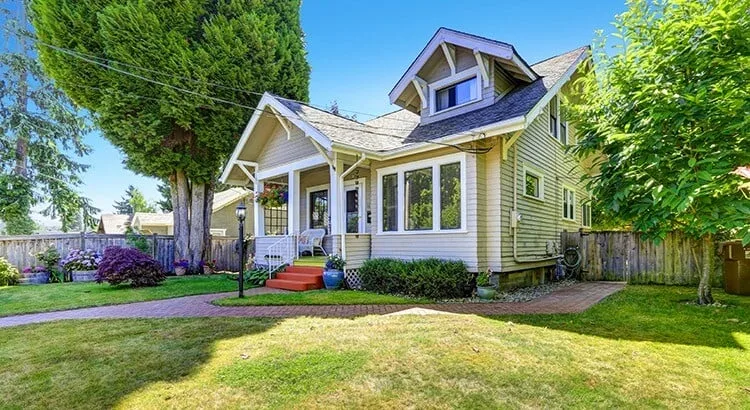
Freshening up the landscaping can improve your home’s curb appeal and help it make an impression upfront.
Investopedia describes curb-appeal projects as a way to make a property look good as soon as prospective buyers arrive. Its guidance says those projects may not add considerable monetary value, but can help a home sell faster. It also notes that owners can do much of the work themselves to save money and time.
Review the exterior with your agent before deciding what to tackle. Ask what needs freshening up and which work you can reasonably handle yourself. Keep the focus on presentation rather than assuming every project will add substantial value.
Carry That Effort Through the Front Door
Inside, removing personal items and reducing clutter gives buyers more freedom to picture themselves living in the home.
A fresh coat of paint or clean floors can also go a long way toward freshening up a room. Ask your agent where those efforts would be most useful in your particular house.
- Which personal items should you put away?
- Where could you reduce clutter?
- Would a room benefit from fresh paint?
- Do the floors need cleaning?
- Does the interior feel as prepared for visitors as the exterior?
Use Your Agent’s Guidance to Choose Your Next Step
If your house is not attracting the attention you expected or selling within your preferred timeframe, revisit your approach with your real estate agent.
Ask for advice based on your property, your circumstances, and the feedback buyers have provided throughout the process. Review access, pricing, and presentation together, then agree on what to address first.
Your practical next step is to schedule that review and bring these questions with you. If your sale also involves mortgage questions or plans for another home purchase, reach out to Ed Parcaut to talk through the financing side of your next move.