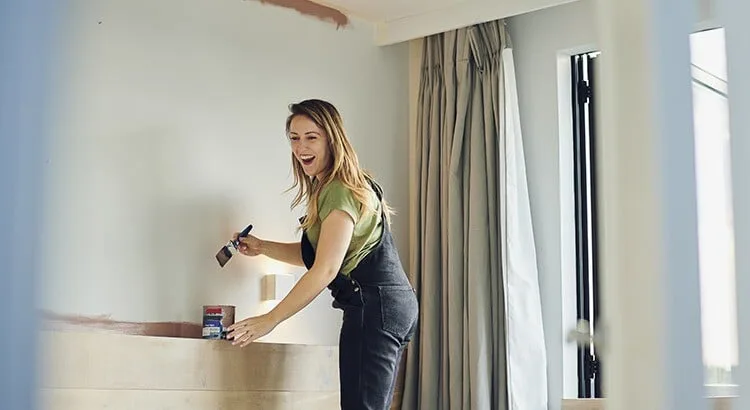
Start With a Plan, Not a Project List
Getting your home ready to sell may take more preparation than you expect. Before you pick up a paintbrush or start planning improvements, take a step back. The goal is not to make every possible update. It is to present a home that appeals to buyers and is priced at market value.
Housing inventory and buyer choices change. Even when inventory is historically low, buyers may have more homes to choose from than they did during an earlier period. Rather than base your preparation on what worked for another seller in another market, focus on what your house needs.
If a house has been sitting on the market for a while, that may be a sign it is not hitting the mark for potential buyers. Updated homes that are priced at market value and presented well can sell quickly. Homes with strong curb appeal sometimes sell above asking price, too. Neither outcome is a promise for an individual property.
Your first step is to work with a trusted real estate agent. Ask which improvements matter most in your local market before deciding where to spend your time and money.
Look at Your Home Through a Buyer’s Eyes
When you prepare a house for sale, you are making repairs and updates for someone else. That is an important shift. A project you would enjoy as a homeowner may not be the project that best supports your sale.
Danielle Hale, identified in the original article as chief economist at realtor.com, explains the buyer’s perspective this way:
“In a market where costs are still high and buyers can be a little choosier, it makes sense they’re going to really zero in on the homes that are the most appealing.”
The practical takeaway is simple: make your preparation about buyer appeal, not just personal preference. Before approving a project, ask your agent what it would accomplish for your sale.
- Does this address something local buyers are looking for?
- Will it improve how the house is presented?
- Is it a priority, or simply something I would like to change?
- Should a smaller project come first?
Use those questions to sort your ideas. You do not need to treat every unfinished wish-list item as a requirement for putting your home on the market.
Give Curb Appeal a Close Look
Curb appeal is a practical place to start. Small cosmetic updates can create a strong first impression and help your house stand out when prospective buyers arrive.
The original article points to refreshing paint and power washing the exterior as examples. These are the kinds of smaller projects to discuss with your agent before considering a broader update.
Investopedia explains that curb-appeal projects make a property look good when buyers first arrive. It also notes an important distinction: these projects may not add a considerable amount of monetary value, even though they can help a home sell faster. Doing some of the work yourself can save money and time.
Better presentation and added monetary value are not the same thing. Keep both in mind when you decide whether a project belongs on your list.
Choose Specific Tasks
Instead of writing “improve the exterior,” walk through the options with your agent and identify the actual work being considered. Where would a paint refresh make sense? Is power washing an appropriate priority? Which cosmetic changes would appeal to buyers in your area?
Then separate the work you plan to do yourself from anything you need to discuss further. The point is not to take on every exterior project. It is to choose the smaller updates that fit your home and your selling plan.
Not All Updates Deserve the Same Priority
When deciding what to do before selling, prioritize projects that could help the home sell faster or for more money over projects that mainly reflect your own taste.
That does not mean every appealing improvement will pay for itself. The original article references the National Association of Realtors’ Remodeling Impact Report, which highlights popular home improvements and the returns associated with those investments.
Use that kind of information as a starting point for a conversation, not as a promised result for your property. Ask your agent how the improvements you are considering line up with what local buyers want.
Keep the Decision Grounded in Your Sale
For each proposed update, write down why you are considering it. Is it about curb appeal? Overall presentation? A feature buyers in your area value? Or is it something you have always wanted to do?
If the reason is mostly personal preference, pause before moving it to the top of the list. You are preparing the property for its next owner, not planning your own next chapter in the house.
Review Presentation and Price Together
The original advice connects updated condition and strong presentation with pricing at market value. Keep those pieces together as you prepare to sell. Do not focus on cosmetic work while leaving the pricing conversation for someone else to sort out later.
Ask your agent to review the proposed improvements alongside the home’s presentation and market value. If your property is already listed and has been sitting for a while, use that same conversation to revisit whether it is meeting buyer expectations.
A trusted real estate advisor can help you understand local buyer preferences and decide which updates deserve attention. Lean on that guidance rather than assuming the biggest project is the best one.
Your Next Step: Make a Short, Focused List
Before spending money, write down the updates you are considering. Review that list with your real estate agent, starting with curb appeal, small cosmetic improvements and the projects most relevant to local buyers.
Keep the objective straightforward: present your home well, consider buyer priorities and make decisions with local guidance. You are not trying to do everything. You are deciding what makes sense before you sell.
Ready to talk through your selling plans and the home purchase that may come next? Reach out to Ed Parcaut to discuss your next step and your mortgage questions.