When you’re planning a move, you probably have a picture of your next home in mind. You may know the layout you want, the neighborhood you like, or the features you aren’t willing to give up.
But does that picture include a newly built home?
If you started your search thinking only about homes someone has already lived in, new construction may not be on your list. That doesn’t mean it belongs off the list. A trusted real estate agent can help you explore whether it deserves a closer look.
There are two main reasons to consider it: more choices and the possibility of a price that fits your budget better than you expected.
1. New Construction Can Expand Your Options
There are two types of homes to consider in your search:
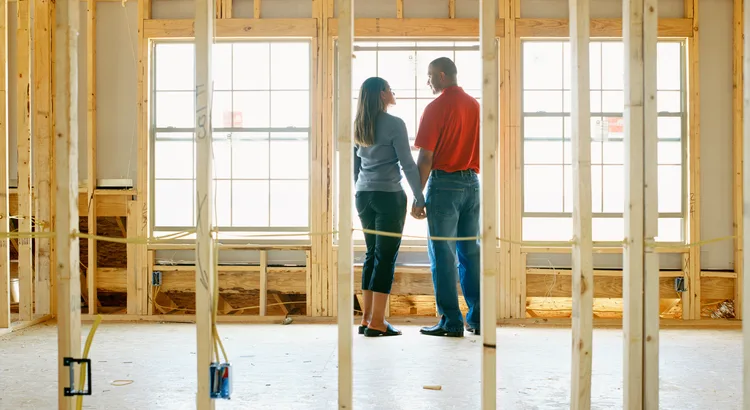
- Newly built homes: Houses that have just been built or are still under construction.
- Existing homes: Houses that a previous homeowner has already lived in.
If you look at only one category, you may overlook choices in the other. That matters when the selection of existing homes is limited and you’re struggling to find something that fits.
What the Inventory Comparison Shows
The Census and National Association of Realtors data cited in the original article compared a long-term inventory baseline with a later period of tight existing-home supply. Newly built homes accounted for just 13% of homes for sale in the baseline, compared with more than 33% in the later snapshot.
Those figures describe that comparison, not a permanent inventory split. The practical takeaway is that new construction can represent a meaningful part of the homes available to buyers.
The original analysis also put that increase in context. After more than a decade of underbuilding, the increase in construction did not mean builders were overdoing it. A significant overall housing shortage remained, even with more new homes being built.
For your search, the point is straightforward: a limited selection of existing homes doesn’t necessarily tell the whole story. There may be options on the new-construction side that you haven’t explored.
Keep Your Needs, Expand Your Search
Considering new construction doesn’t mean abandoning your priorities. It means asking your agent to look for those same priorities in another category of homes.
Start with the picture you already have in mind. What matters most about your next home? Which features are essential, and which are preferences?
Then ask your agent to help you explore:
- What newly built homes are available in the areas you’re considering?
- Which homes are finished, and which are under construction?
- Are there new homes that match the needs driving your search?
- Would including nearby towns give you additional options?
You don’t have to decide that new construction is right for you before looking. The first step is simply finding out what’s available.
2. A Newly Built Home May Be More Affordable Than You Think
It’s easy to assume that “brand new” means “outside my budget.” If that assumption caused you to rule out new construction, it may be worth taking another look.
The original article described a narrowing price gap between newly built and existing homes. Builders were responding to demand for smaller, potentially more affordable homes by focusing on smaller houses at lower price points.
That doesn’t mean every new home is affordable or that a new build will cost less than an existing home. It means the difference may not be as large as you expect.
Look Beyond the Assumption That New Costs Much More
LendingTree’s explanation cited in the original article described newly built homes as historically much more expensive than existing homes, while noting that the gap had been getting smaller. It also noted that, in some places, the cost to build versus buy could be roughly the same.
CNBC’s reporting cited in the article made a similar point: new builds were still selling for slightly more than existing homes, but the price gap had narrowed significantly.
These comparisons offer a reason to investigate, not a promise about a particular house. Rather than assuming a new home is out of reach, ask your agent to show you the choices that fit the budget you’re working with.
Ask About Builder Offers
The original article also noted that some builders offered price cuts and mortgage rate buydowns to make their homes more appealing to buyers.
Keep the word some in mind. Don’t assume every builder or home comes with an offer. Ask what, if anything, is available for the property you’re considering.
Useful questions include:
- Does the builder have smaller homes at lower price points?
- Is there a price reduction on this particular home?
- Is a mortgage rate buydown being offered?
- Can we review the home’s price and the financing proposal together?
Freddie Mac’s observation cited in the original article connected low existing-home supply and rising home prices with more buyers choosing new homes than in earlier years. That reinforces the reason to explore the option, but your decision should still center on your own needs and budget.
Get Help With the Differences Before You Buy
Buying a newly built home is not the same as buying an existing one. Builder contracts have different fine print, so don’t treat the two purchases as interchangeable.
Partner with a local real estate agent who knows the market, understands builder reputations, and knows what to look for in those contracts. You want someone on your side as you explore the choices and ask questions.
Before moving forward, ask your agent to walk through the builder’s contract with you and help identify the details you need to understand. Don’t skip that conversation just because you like the house.
Your Next Step: Compare Before You Rule It Out
You don’t have to choose new construction. But you don’t need to dismiss it without checking, either. It could expand your search and introduce homes closer to your budget than you expected.
Ask a local agent what builders are offering in your area, and whether including nearby towns would broaden your options. Then reach out to Ed Parcaut to discuss your budget and mortgage questions as you compare newly built and existing homes.