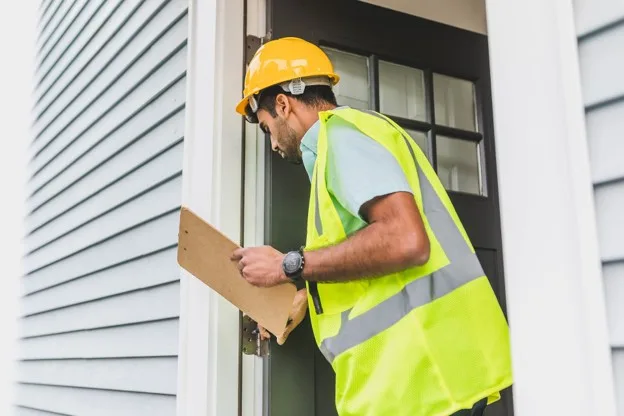
Buying a home is one of the most significant financial decisions you will make. Appearance, location, and price matter, but one of the most important steps comes after your offer is accepted: the home inspection.
Fresh paint, updated flooring, and attractive staging can make a property look perfect. They do not tell the whole story. An inspection helps first-time and experienced buyers understand the condition, uncover potential problems, and prepare for maintenance before finalizing the purchase.
What a Home Inspection Is
A home inspection is a visual evaluation of a property's major systems and components by a licensed or qualified inspector. It identifies visible defects, safety concerns, maintenance needs, and potential problems affecting value, livability, or future repair costs.
It is not a pass-or-fail test. It is an opportunity to learn what you are buying, not simply another hurdle in the transaction.
Why Inspections Matter
An inspector can identify concerns you may not recognize yourself. Even newer homes can have problems. An inspection can help you:
- Understand the property's condition and potential repair costs.
- Uncover safety concerns.
- Negotiate repairs or credits when appropriate.
- Plan maintenance and feel more confident about your decision.
A few hundred dollars spent on an inspection can potentially save thousands in unexpected repairs later. The information can help protect your investment and reduce surprises after closing.
What Inspectors Typically Review
Standards may vary slightly, but most inspectors evaluate the home's major systems and components.
Roof and Foundation
The roof review typically covers condition, missing shingles, signs of leaks, flashing, gutters, and drainage. Roof repairs and replacement can be expensive, making this an important inspection area.
Inspectors look for foundation cracks, settlement concerns, water intrusion, and structural issues. Not every crack signals a serious problem, but foundation concerns often deserve closer evaluation.
Electrical and Plumbing Systems
The electrical review may include service panels, wiring, outlets, grounding, and safety hazards. Deficiencies can create both safety and financial concerns.
Inspectors commonly evaluate water supply lines, drainage systems, water heaters, fixtures, and visible leaks. Unaddressed plumbing problems can sometimes lead to costly water damage.
Heating and Cooling
Heating and cooling systems are reviewed for functionality, age, visible defects, and maintenance concerns. Understanding their condition helps you anticipate repair or replacement expenses.
Attic and Insulation
Inspectors often check ventilation, insulation levels, moisture concerns, and signs of leaks. These areas can reveal problems that were not visible during a typical showing.
Interior and Exterior Components
The inspection usually includes windows, doors, walls, ceilings, floors, siding, decks, and driveways. The goal is to identify defects affecting safety, functionality, or long-term maintenance.
What an Inspection Does Not Cover
An inspection does not guarantee that nothing will go wrong. Inspectors generally perform visual evaluations. They cannot see through walls, under foundations, or inside every system component.
Most inspections do not cover:
- Future failures or hidden defects behind walls.
- Cosmetic concerns.
- Property value assessments.
- Code compliance guarantees.
- Specialized environmental testing.
Depending on the property, additional evaluations may be recommended. These can include pest inspections, sewer line inspections, mold evaluations, radon testing, well inspections, and septic inspections. Each provides additional information when needed.
Common Findings and What They Mean
Very few homes are perfect. Even well-maintained properties often produce reports with multiple findings. The presence of problems does not automatically mean you should walk away. Their severity matters.
Deferred Maintenance
Owners sometimes postpone upkeep. Worn caulking, loose handrails, damaged screens, and minor leaks are examples of deferred maintenance an inspector may identify.
Aging Systems
Inspectors frequently identify water heaters, heating and cooling systems, and roofs nearing the end of their useful life. That does not necessarily mean immediate replacement is required, but future costs deserve consideration.
Drainage, Electrical, and Roofing Problems
Improper drainage can contribute to moisture issues and foundation concerns. Older homes sometimes have outdated electrical components that need attention. Roof repairs are also among the most common inspection findings.
How to Read the Inspection Report
First-time buyers are often surprised by how long and detailed a report can be. Dozens of observations, recommendations, and photographs are normal. Inspectors are trained to document findings thoroughly.
Rather than treating every observation as equally serious, focus on these categories:
- Major safety concerns. Findings that could pose health or safety risks deserve immediate attention.
- Structural problems. Significant concerns may need further evaluation by specialists.
- Expensive repairs. Carefully consider large-ticket items such as roofs, heating and cooling systems, and foundations.
- Maintenance recommendations. Many report items are routine upkeep suggestions, not serious defects.
Your real estate professional can help prioritize findings and determine what warrants more attention.
Should You Attend the Inspection?
Attend whenever possible. Being there lets you ask questions, learn about the home, understand maintenance requirements, and see concerns firsthand.
Many inspectors explain their findings throughout the process and help buyers understand how systems work. Treat the visit as an educational experience, not just an appointment that produces a report.
Using the Findings to Negotiate
An inspection creates an opportunity to negotiate based on the property's condition. Depending on the situation, buyers may request:
- Repairs.
- Seller credits.
- Price adjustments.
- Additional inspections.
Not every finding justifies negotiation. Focus generally on significant concerns rather than minor cosmetic imperfections. A knowledgeable real estate professional can guide the conversation and help identify reasonable requests.
When Walking Away May Make Sense
Not every issue should end a purchase. However, walking away may be appropriate when findings include severe structural damage, significant foundation problems, major environmental concerns, extensive undisclosed defects, or repair costs beyond your budget.
There is no single answer for every buyer. Your decision should reflect your risk tolerance, finances, and long-term goals.
New Construction Needs an Inspection, Too
A newly built home is not automatically free of problems. New construction may have fewer issues than an older property, but mistakes can happen during the building process.
An independent inspection can identify concerns before closing and provide peace of mind. Buyers are sometimes surprised by the number of issues found in brand-new homes.
Turn the Report Into a Homeownership Plan
An often-overlooked benefit of the inspection is preparation for ongoing ownership. The report can offer insight into expected repairs, maintenance schedules, system life expectancy, and property upkeep requirements.
That information can help you budget more effectively and avoid unexpected surprises. It gives you something useful beyond the purchase decision: a clearer understanding of the responsibilities ahead.
The Goal Is Information, Not Perfection
Finding problems can feel unsettling, but identifying issues is often the purpose of the inspection. Every home has strengths and weaknesses. You are not looking for a flawless property. You are learning whether the home fits your needs, expectations, and budget.
Knowledge helps you evaluate risks, plan expenses, negotiate when appropriate, and move toward informed homeownership.
As a practical next step, write down your inspection questions and review the major findings with your inspector and real estate professional. For a conversation about your home-buying budget and mortgage questions, reach out to Ed Parcaut.