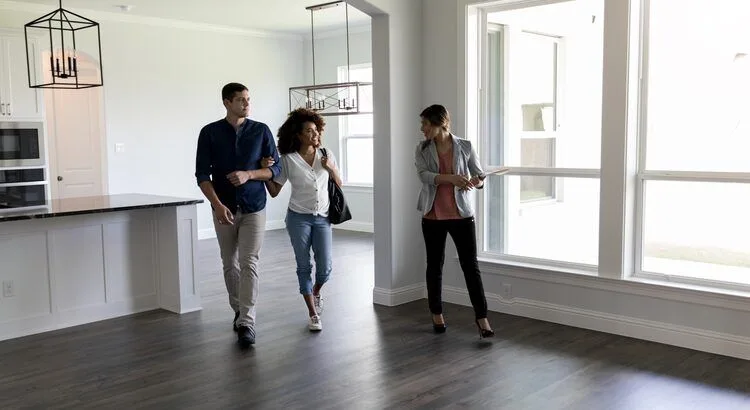
Finding the right home can be one of the biggest challenges of buying. When the supply of existing homes is limited, new construction is worth considering as another source of options. If you have not found a home that fits, it makes sense to explore whether a newly built home is right for you.
But buying from a builder is different from buying from a homeowner. One important distinction is who represents you during the purchase.
Builders typically have sales agents on-site. Those agents work for the builder. Having your own agent gives you someone who can advocate for your interests throughout the homebuying process.
Understand Who the Builder’s Agent Represents
A visit to a new-construction sales office is not the same as having your own representation. The on-site agent represents the builder, even when you are working closely with that person to explore a home.
As Realtor.com explains:
“Keep in mind that the on-site agent you meet at a new-construction office works for the builder. So, as the homebuyer, it’s a smart idea to bring in your own agent, as well, to help you negotiate and stay protected in the transaction.”
Your own agent can help you evaluate the purchase from your perspective. That includes looking beyond the home itself to the neighborhood, the builder’s reputation, your upgrade choices and the terms you are being asked to accept.
The point is not to assume the builder is doing something wrong. It is to make sure your interests have representation, too.
Look Beyond the Home to the Surrounding Area
Before choosing a newly built home, consider how the neighborhood and surrounding area may evolve. The home matters, but so does what may eventually surround it.
An agent who knows the local area can share information about upcoming communities and developments that could influence your decision. That knowledge helps you look at the purchase with a broader view.
Review the Builder’s Site Plan
One practical way your agent can help is by reviewing the builder’s site plan with you. Rather than focusing only on the home’s layout, use that review to ask questions about the location.
For example, are there plans to construct a highway or add a drainage ditch behind your prospective backyard? Those are details you would want to understand before deciding whether the property fits your needs.
- Ask your agent to walk through the site plan with you.
- Discuss upcoming communities or developments in the surrounding area.
- Identify questions about the location that you want answered before moving forward.
The goal is straightforward: consider both the home you want to buy and the area where you will live.
Evaluate Construction Quality and Builder Reputation
Your agent can also bring knowledge of different builders’ construction quality and reputations. That gives you another way to evaluate your options beyond the home’s appearance or available customizations.
Ask about each builder’s track record, customer satisfaction and construction practices. Your agent can share insights into those areas and help you use that information when comparing builders.
That perspective can help you choose a builder with a reputation for consistently delivering quality homes. It is a way to make a more informed choice, not a promise about how any individual purchase will turn out.
As you compare options, ask your agent to explain what informs their assessment. Keep the discussion centered on the builder’s work and reputation, rather than simply whether you like a particular design.
Choose Customizations With Your Budget in Mind
One of the most appealing parts of new construction is the opportunity to customize your home. You can think through the features you want and decide where to focus your available upgrade budget.
Your agent can guide you through those choices and offer advice about which upgrades are most likely to add long-term value.
That guidance can help you balance what you want to enjoy in the home with what may provide value later. It does not guarantee a return on any particular upgrade.
Give Each Upgrade a Clear Purpose
Before making selections, organize your questions around your priorities:
- Which customizations matter most to how you want to live?
- Which upgrades does your agent believe are most likely to support long-term value?
- Where would your agent recommend focusing your budget, and why?
You do not have to treat every upgrade as an investment decision. But understanding the reasoning behind your choices can help you keep your budget focused instead of treating every available option as equally important.
Get Help With Contracts and Negotiations
Builder contracts can be complex. Your agent can help you work through the terms and conditions so you better understand what you are agreeing to before you sign.
As Realtor.com puts it:
“A good buyer’s agent will be able to review any contracts before you sign on the dotted line, ensuring you aren’t unwittingly agreeing to terms that only benefit the builder.”
Use that review as an opportunity to ask questions. If a term is unclear, ask your agent to help you understand it rather than moving past it.
Your agent can also advocate for you during negotiations. A skilled negotiator may be able to help secure a better deal, upgrades or incentives. Those possibilities are not guarantees, but they are part of the value your own representation can bring.
Be clear with your agent about what matters most to you. That gives your negotiation discussions a practical focus.
Start With Representation, Then Explore Your Options
New construction may be the right fit for your home search. Having a trusted agent beside you can help you evaluate the location, understand the builder’s reputation, prioritize upgrades and navigate the purchase terms.
Your next step: write down your questions about the neighborhood, builder, customizations and contract. Bring that list to a conversation with a local real estate agent about representing you. For help talking through the mortgage side of your new-construction plans, reach out to Ed Parcaut.