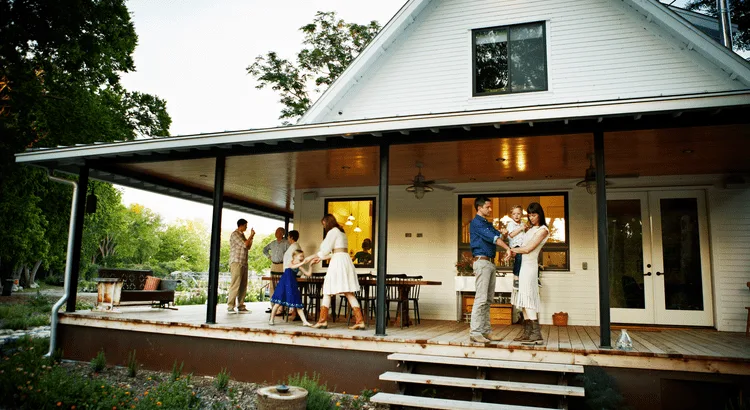
Buying a home on your own can feel out of reach. For some buyers, purchasing a home with family offers another path. By combining resources and sharing expenses, a multi-generational household can make homeownership more affordable.
But the decision is about more than splitting a mortgage payment. The home also needs to work for the people living in it, with space for privacy, time together, and different family needs.
Here is a practical look at why buyers choose multi-generational homes and what to discuss before deciding whether this approach fits your family.
What Is Multi-Generational Living?
Multi-generational living means two or more adult generations sharing one roof. These households can include siblings, parents, grandparents, and adult children.
For some families, the goal is to reduce housing costs. For others, it is to afford a larger home with enough room for older parents and young adults who have returned home. Both reasons come back to the same question: Can buying together make a suitable home more attainable?
The goal is not simply to buy a bigger house. It is to find a home that fits your shared budget and the people who will live there.
Two Main Reasons Buyers Choose This Option
A study by the National Association of Realtors (NAR) identified cost savings and the ability to afford a larger home as the top two reasons buyers chose multi-generational housing. Those motivations applied to both first-time and repeat buyers, though the percentages differed.
1. Sharing the Cost of Homeownership
According to the NAR study, about 28% of first-time buyers and 11% of repeat buyers chose a multi-generational home to save on costs.
Pooling resources allows household members to share financial responsibilities rather than having one person or household carry them alone. Those responsibilities include:
- Mortgage payments.
- Utilities.
- Property taxes.
- Maintenance.
This can be especially helpful for first-time buyers who are having a hard time affording a home independently. Instead of looking only at what they can manage alone, they can consider what sharing those expenses might make possible.
Before shopping, talk through each expense together. What would each person contribute? How would you divide utilities and maintenance? What housing budget feels manageable to everyone involved?
Keep that conversation focused on the full list of shared expenses, not just the mortgage payment. The original reason for buying together may be affordability, so make that the starting point for your decisions.
2. Affording More Space Together
The NAR study also found that 28% of first-time buyers and 18% of repeat buyers chose a multi-generational home because they wanted a larger property they could not afford on their own.
For some repeat buyers, that need for space may involve caring for older parents while welcoming young adults back into the household. A larger home can provide room for those different generations under one roof.
By contributing together and combining incomes, families may be able to put a larger home within reach. The Triangle Business Journal explains:
“Choosing multi-gen living allows people to purchase a home much larger than they could afford on their own by leveraging the combined income, credit and a down payment of those that they will be occupying the home with.”
Still, use your family's needs to guide the search. Ask what you want the additional space to accomplish. Is the priority a private area for each person, room for family gatherings, or adaptable space for an older relative?
Look Beyond the Size of the House
Finding a multi-generational home is more involved than shopping for a home for one household. More people means more opinions and needs to consider.
A useful starting point is to separate the conversation into three parts: private space, shared space, and adaptable space. That keeps the search centered on how everyone wants to live, rather than size alone.
Private Space
Everyone needs their own space. Before touring homes, ask each family member what that means to them. Which parts of the home would they expect to use privately? What would make them feel comfortable sharing the rest?
Shared Household Space
Multi-generational living also calls for room to spend time together. Discuss where the household would gather and what you want those shared areas to accommodate.
Do not assume everyone has the same picture in mind. Ask each person to describe what shared household time would look like in the home you are considering.
Adaptable Areas for Older Relatives
Some families may need adaptable areas for older relatives. Include those needs in the discussion from the beginning, rather than treating them as an afterthought.
As MoneyGeek.com puts it:
“Having a good multigenerational property can improve the prospects of success when living with loved ones. A multigenerational home should fit the specific needs of most family members regardless of age or health. Speaking to a real-estate agent can help you gain clarity and locate a fit.”
Bring in a Local Real Estate Agent
A local real estate agent can help you work through these competing priorities. Their expertise and local knowledge can help you find a home where everyone can be comfortable while keeping affordability in view.
Give the agent a clear picture of both your budget and your household. Rather than asking only for a larger house, explain who will live there and what each person needs.
Before that conversation, prepare a shared list:
- Why you want to buy together, whether for savings, more space, or both.
- The housing expenses you intend to share.
- Each person's priorities for private and shared areas.
- Any adaptable space needed for older relatives.
- The needs you agree should guide the home search.
Decide Whether Buying Together Fits Your Family
A multi-generational home can be a practical way to address affordability challenges. Sharing expenses can make homeownership more attainable, and combining resources may make a larger home possible.
The next step is a family conversation about money, space, and expectations. Write down your shared budget and housing priorities, then bring that list to a local real estate agent. For a conversation about the mortgage side of buying together, reach out to Ed Parcaut.