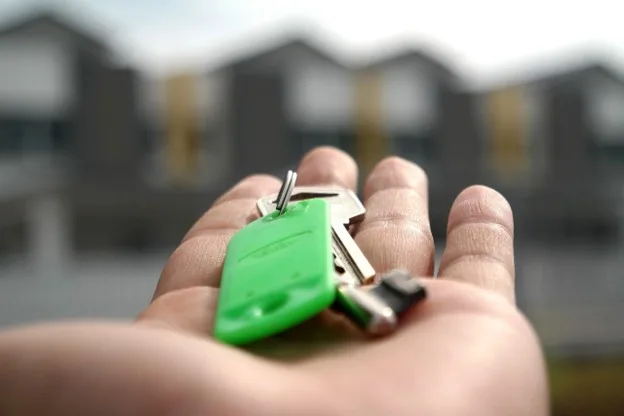
Should you buy a home or renew your lease? It is a question that can keep renters awake at night and take over dinner conversations.
Homeownership has long been treated as the next step in adulthood: get a job, save a down payment, and buy. But fluctuating interest rates, conflicting headlines, and rising prices can make the decision feel anything but simple.
Refreshing property apps will not reveal a perfect moment. There is no universal right time to buy. There is a right time for your circumstances. Start with three things: your budget, your timeline, and your financial stability.
1. Can You Comfortably Afford the Payment?
The most important question is not how much you can borrow. It is how much you can comfortably pay every month.
A lender may approve a loan amount that pushes your budget to its limit. Qualifying for that amount does not mean you should spend it.
Payment comfort means that after paying your mortgage, property taxes, insurance, and utilities, you still have money for groceries, savings, and an occasional dinner out.
If buying means living on instant noodles for years, wait. If the payment fits your budget, perhaps at a level similar to or slightly above local rent, market conditions become less important than your own numbers.
Use a Guideline, Not a Permission Slip
A common rule of thumb is to keep housing costs, including the mortgage, taxes, and insurance, around 28 to 30 percent of gross monthly income. But your actual spending habits matter more than a generic percentage.
A comfortable payment lets you keep saving each month. It should not require you to stretch to the breaking point.
2. How Long Do You Plan to Stay?
Real estate is a long-term commitment, not a get-rich-quick plan. Buying and selling both cost money, including closing costs, agent commissions, and moving expenses.
If you buy and sell a year later, you will likely lose money once those expenses are considered.
The original decision guideline is to plan on staying at least three to five years. That typically allows time to work toward breaking even, pay down principal, and potentially benefit from appreciation. It is a planning guideline, not a guaranteed break-even date.
If you might move for work or are waiting for a partner to finish graduate school, renting offers flexibility. If you are planting roots, buying can make financial sense when the rest of your finances support it.
3. Will You Have Savings After Closing?
When you own the home, you are the landlord. A broken boiler or leaking roof becomes your responsibility and expense.
That is why cash reserves after closing matter. Draining every dollar for a down payment can leave you house-rich but cash-poor, with one emergency putting you in financial trouble.
A typical emergency-fund guideline is three to six months of living expenses. Having that cushion after your down payment and closing costs is an important sign of readiness.
If buying would leave your bank account at zero, wait and save more. Getting the keys should not mean giving up your safety net.
A Simple Buy-or-Wait Checklist
Buying May Make Sense If:
- The payment fits: Monthly housing costs are manageable without squeezing out savings or everyday living.
- You have reserves: Savings remain after the down payment and closing costs.
- You are thinking long term: You expect to stay at least three to five years, allowing time to weather short-term market dips.
- You accept maintenance: Fixing a faucet or mowing the lawn is your responsibility or expense.
- Your life is stable: Your job feels secure, and you are happy with the location.
Waiting May Make Sense If:
- You are payment-stressed: The estimated payment stretches your budget too far.
- Your future is uncertain: You might move in the next year or two.
- You would have no reserves: Buying would wipe out your savings.
- You are betting on a prediction: Your decision rests entirely on prices suddenly soaring or crashing. That is speculation, not a personal financial plan.
Focus on What You Can Control
Buyers often worry about two opposite possibilities: buying before rates fall or waiting until prices rise beyond reach.
You cannot control interest rates. They rise and fall. If rates fall significantly after you buy, refinancing to a lower rate may be possible, but it is not guaranteed. If rates rise, having locked in your payment can feel reassuring.
You cannot control home prices either. Markets cycle, and prices can flatten or dip in particular areas. Historically, real estate values have tended to rise over the long term, but that does not promise an outcome for a particular home.
For someone planning to stay five, seven, or ten years, short-term price changes matter less than they do to someone who must sell soon.
Put your attention on your financial readiness: your credit score, down payment savings, and shopping price range. These are the fundamentals you can work on rather than letting headlines drive your decision.
Consider the Cost of Waiting
Waiting is not automatically the cheaper choice. While you rent, your payment supports someone else's property ownership rather than paying down your own mortgage and building your own equity.
Trying to time the market can also backfire. Buyers who wait for a crash can instead see prices rise. Waiting after rates increase does not ensure that either rates or prices will come down.
For a financially and emotionally ready buyer, the practical lesson is to favor time in the market over trying to predict it. Starting to pay down your mortgage sooner starts that part of equity building sooner. That is not a reason to buy before you are ready.
Common Questions About Buying or Waiting
Should I Wait for Lower Rates?
Maybe, but lower rates usually attract more buyers. That added competition can push home prices higher. You could save on interest but pay more for the property, offsetting the benefit.
What If Prices Fall After I Buy?
Your timeline matters. A short-term dip does not by itself mean you have realized a sale loss. Selling during that dip is the concern.
Owners who stay five years or longer generally have more opportunity to ride out market cycles. Still, a longer timeline does not guarantee that you will avoid a loss.
Does Buying Guarantee Wealth?
No. If your plan depends on the home's value doubling in a year, buying is not the answer. If you want a place to build a life, stabilize housing costs, and work toward long-term wealth, return to your personal checklist.
Let Your Numbers Guide the Next Step
Review your budget, check what savings would remain after closing, and decide how long you expect to stay. If those pieces fit, buying may make sense. If they do not, there is no shame in renting while you prepare.
Next step: Gather your income, monthly expenses, savings, and expected timeline. Reach out to Ed Parcaut to run a buy-versus-wait scenario using your actual numbers and compare the cost of each option.