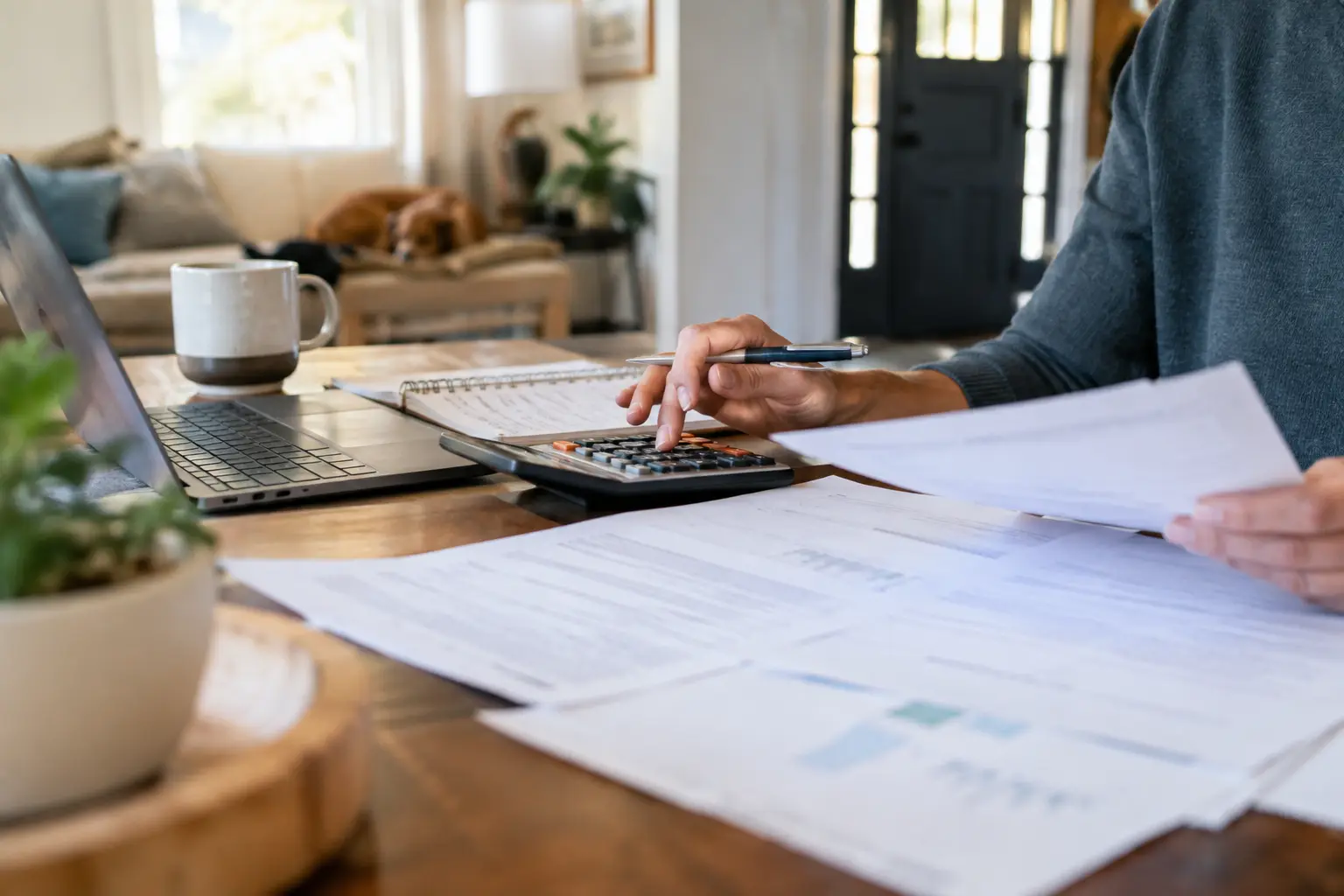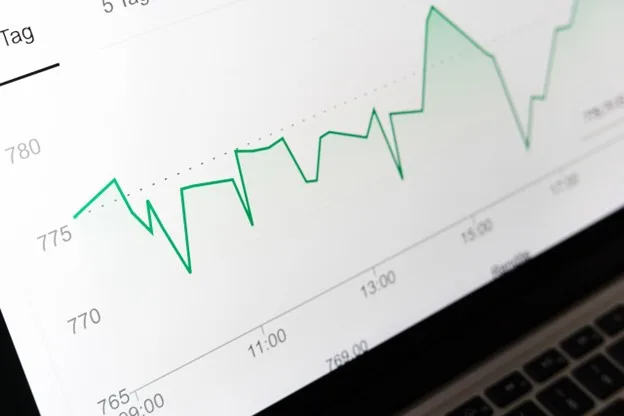
When groceries, fuel and energy bills climb, buying a home can feel like one financial commitment too many. The original example is familiar: a weekly grocery bill that is £30 higher than it was six months earlier.
Inflation reduces your purchasing power. It also makes big decisions feel more uncertain. But high inflation does not automatically make buying a home a bad idea, and waiting carries risks of its own.
The decision should come down to your finances, not fear. Start with what you can comfortably afford, how long you plan to stay and how much savings you will have left.
How Inflation Affects Homebuyers
Higher Rates Reduce Borrowing Power
Central banks use higher interest rates as a primary tool to fight inflation and cool an overheated economy. Mortgage rates typically rise when inflation is high.
Higher rates reduce borrowing power. With the same monthly payment budget, you can afford less house at a higher rate. That affordability squeeze is often the first challenge buyers notice.
Renting Gets More Expensive Too
Landlords also face rising maintenance costs, taxes and insurance premiums. Those expenses can get passed along to tenants.
Unlike the principal and interest payment on a fixed-rate mortgage, rent is not locked in over the long term. It commonly increases annually and can outpace wage growth. Waiting to buy may mean facing a housing expense that keeps climbing.
Real Estate Can Help Offset Inflation
Historically, real estate has been a strong hedge against inflation. As goods and services become more expensive, physical assets such as homes can also rise in value. Ideally, that increases your home equity, though appreciation is not automatic.
A fixed-rate mortgage offers another form of stability: your principal and interest payment stays the same for the life of the loan. Focus on that distinction rather than treating every homeownership expense as fixed.
When Buying Can Make Sense
1. The Payment Fits Comfortably
The interest rate matters, but the practical question is whether you can afford the payment with your current income and expenses.
A comfortable payment leaves room for savings and everyday life. With a 30-year fixed-rate mortgage, the principal and interest portion stays predictable for those 30 years.
You may be able to refinance if rates fall later, but that should be a possibility, not something your budget depends on. Meanwhile, if home prices rise, you cannot go back and buy at the earlier price.
2. You Have a Long-Term Plan
Real estate is not a day trade. Buying during an uncertain period is riskier if you plan to stay only one or two years. Transaction costs, including agent fees, closing costs and stamp duty where applicable, can eat into equity quickly.
If you expect to stay five, seven or ten years, short-term price swings matter less. Home values have historically trended upward over long periods, while paying down mortgage principal builds equity regardless of inflation.
3. You Will Still Have Cash Reserves
Buying uses cash. You do not want the purchase to leave you without a safety net.
Having three to six months of living expenses available after buying puts you in a stronger position. That cushion can help if inflation pushes your bills higher than expected or the economy slows.
4. There Is Room to Negotiate
High inflation and higher rates can push competing buyers out of the market. When bidding wars fade, sellers may become more willing to negotiate.
You might negotiate a price below asking or ask the seller to pay for a temporary rate buydown. With that arrangement, an upfront fee lowers your interest rate for the first few years. Those concessions may improve affordability, but they are opportunities, not guarantees.
When Waiting May Be Smarter
Your Budget Is Already Stretched
If the down payment takes every penny you have, or the monthly payment leaves no breathing room, pause.
Food, fuel and utilities may keep getting more expensive. A budget that barely works before those increases could leave you in financial distress afterward. A cheaper home or more savings may be the better path.
Your Income Feels Uncertain
High inflation can be accompanied by economic slowdowns or recessions. If your industry is sensitive to downturns or your job feels unstable, taking on a large debt deserves extra caution.
Renting offers flexibility. A mortgage can be a 30-year obligation, and the payment remains due even if you lose your job.
You May Need to Move Soon
If you may move to another city or change careers within one to three years, renting may be safer.
Higher rates can cool housing demand. If your home's value falls below what you owe, selling could require bringing cash to closing. That can make an unexpected move expensive or difficult.
Three Questions to Test Your Readiness
Can You Handle Rising Everyday Expenses?
Build a budget that includes the proposed mortgage payment, then increase your estimated grocery, utility and fuel costs.
The original budget illustration adds £200 to £300 in monthly living expenses. Use that as a stress-test example, not a prediction of what inflation will cost you. Does your budget still have room to breathe? If not, consider a lower-priced home or more savings.
Will You Have a Safety Cushion?
After the down payment and closing costs, would you still have at least three months of full living expenses in savings?
That money is your protection against unexpected expenses. Keep it separate in your planning from the cash needed to complete the purchase.
Would You Be Happy if Prices Stayed Flat?
Imagine the home's value does not increase for three years. Would you still be happy living there?
If the purchase only makes sense with fast appreciation, reconsider. If it supports your life, community and need for a predictable principal and interest payment, a period of flat values may be manageable.
Common Questions About Buying During Inflation
Does Inflation Always Raise Home Prices?
No. Inflation raises the cost of building homes through more expensive materials and labor. But higher interest rates can reduce buyer demand.
Those forces can offset each other, resulting in slower price growth rather than a sharp increase or decline.
Is Renting Safer?
Renting can feel safer in the short term because you avoid taking on mortgage debt and retain flexibility. The trade-off is long-term payment uncertainty.
Landlords may raise rents to cover increasing expenses. Avoiding a mortgage does not mean avoiding inflation's effect on housing costs.
Should You Wait for Inflation to Fall?
Waiting is a gamble, not an automatic savings strategy. If inflation eases and rates fall, more buyers may return. Increased competition could push prices higher.
You might get a lower rate but pay more for the home. Financial readiness is a more useful guide than trying to predict the economic cycle.
Focus on Your Finances, Not the Headlines
Buying during high inflation can make sense when you have stable income, a long-term plan, cash reserves and a comfortable budget. Waiting can make sense when any of those pieces are missing.
Your next step: Write down your monthly expenses, available purchase funds, remaining savings and expected timeline. Then reach out to Ed Parcaut to review your numbers and discuss whether buying or waiting better fits your situation.