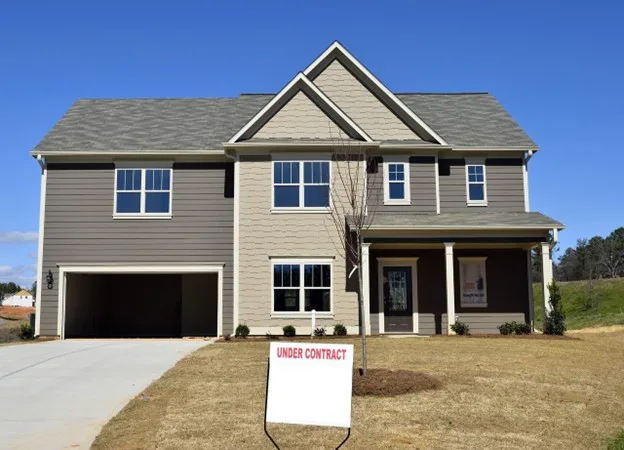
A For Sale By Owner sign represents independence, control and the possibility of saving money. When you see the commission expense associated with selling a home, handling the sale yourself can seem like a straightforward financial decision.
But avoiding a fee and keeping more money are not necessarily the same thing.
The regret that can follow a do-it-yourself sale is simple: you did all the work, took on the responsibility and may have walked away with less than you would have with professional help.
Before choosing FSBO, look beyond the commission. Pricing, negotiations, repairs, paperwork and your time all belong in the calculation.
The Commission Saving Is Not Automatically Yours
Avoiding an agent’s commission is a major reason homeowners consider selling on their own. It is a visible expense, which makes it easy to focus on while overlooking less obvious costs.
Buyers may see that same potential saving as room to negotiate. A buyer might offer less because you are not paying a listing agent, effectively asking you to share the savings through a lower price.
If you accept that discount, you may still be doing the work without keeping the financial benefit you expected.
The number that matters is your net proceeds, not the fee you avoided. Compare what you expect to keep after the sale expenses and negotiated concessions.
Where a FSBO Sale Can Lose Money
Overpricing Can Cost You Momentum
Setting an asking price takes more than knowing what you want for the house. It requires relevant market information and recent comparable sales.
Without that information, sellers may lean on emotional attachment or online estimates, including Zillow estimates, that can be inaccurate.
An overpriced home can sit on the market. As the listing ages, buyers may wonder what is wrong with it. Price cuts can follow, but the attention that comes with a new listing is harder to recover.
A seller who keeps chasing the right price may ultimately accept less than market value just to finish the sale.
Underpricing Can Hide Behind a Quick Sale
A fast offer can feel like proof that you priced the home correctly. It can also mean you asked too little.
Underpricing without a clear strategy can leave money behind, especially if you miss the opportunity to attract competing buyers.
An experienced agent can use pricing to encourage traffic and competition. That competition may produce offers above the asking price, although no pricing strategy guarantees that result.
Negotiations Go Beyond the Purchase Price
A home sale involves closing costs, inspection contingencies, repairs and deadlines, not just the amount on the offer.
Agents negotiate as part of their work. Their experience can help them distinguish an unreasonable demand from a request worth considering.
When you negotiate your own sale, personal attachment can get in the way. Criticism of your kitchen or a repair request may feel like criticism of your home and your decisions.
That can lead you to reject a workable offer or concede too much simply to end an uncomfortable conversation.
Inspection Requests Can Reduce Your Proceeds
Signing a contract does not finish the deal. Inspections and appraisal disputes can still complicate the transaction.
A buyer’s agent may use inspection findings to request repairs or credits. Without someone helping you evaluate and negotiate those requests, you could agree to expenses that are not necessary.
Each concession reduces what you keep. A strong initial offer can become less attractive after the inspection negotiations.
The Costs That Do Not Show Up in the Asking Price
Paperwork and Disclosure Risk
Real estate sales involve contracts and legally significant disclosures about the property’s condition. Failing to disclose a known issue can expose a seller to a lawsuit after closing, even when the omission was accidental.
Agents carry errors and omissions insurance as professional protection. Do not assume that coverage is protection you personally have as a FSBO seller.
A legal mistake can cost more than the commission you hoped to save. For questions about your obligations or documents, get qualified legal guidance rather than relying on a generic online form.
Your Time and Attention
Selling a home can feel like a part-time job that demands full-time availability.
You are responsible for answering calls, coordinating showings, screening prospective buyers and handling paperwork. You also have to decide who you are comfortable allowing into your home.
Consider whether you can leave work for a showing or respond when a transaction needs attention. Stress and lost work hours belong in your comparison, even if they never appear on a closing statement.
Buyer Financing Problems
Accepting an offer, taking your home off the market and waiting weeks only to learn that the buyer cannot get financing is frustrating.
An agent can review a buyer’s pre-approval letter and communicate with the lender to help evaluate the financing before you commit. That review is useful, but it is not a guarantee that the loan will close.
If You Choose FSBO, Treat It Like a Business
Selling without an agent is not automatically a bad decision. Sellers with substantial real estate experience, legal knowledge and strong process management can succeed. For a homeowner without that background, the responsibilities deserve careful consideration.
If you proceed, build a plan around these steps:
- Get a professional pricing opinion. Consider an appraisal or a comprehensive market analysis based on relevant comparable sales. Do not rely only on an online estimate or a neighbor’s recollection.
- Consider a pre-listing inspection. Finding problems early lets you address them or discuss appropriate disclosure before listing. It can reduce surprise repair negotiations, not eliminate every future request.
- Use appropriate contracts and disclosures. Requirements vary by location. Get qualified help with documents suited to your transaction rather than assuming a generic template protects your interests.
- Check the buyer’s financial readiness. Request proof of funds for a cash purchase or a pre-approval letter with lender contact information for a financed purchase. Ask questions before relying on the offer.
Compare Value, Not Just Cost
An agent’s commission is a cost. The potential value includes stronger pricing, broader exposure, professional photography, skilled negotiation, transaction support and time saved.
Those services can support a higher sale price and smoother process. They do not guarantee either, and professional representation does not remove every legal risk.
If the additional proceeds an agent helps generate offset the fee, hiring that agent may make financial sense. The right comparison is what you reasonably expect to keep under each approach, with the workload and risks included.
Before putting up a sign, prepare a side-by-side net sheet for FSBO and an agent-assisted sale. Include selling expenses, possible concessions and the responsibilities you would handle yourself. Reach out to Ed Parcaut to talk through the numbers and buyer-financing questions so you can make an informed choice.