Wanting to own a home and being ready to buy one are two different things. If the gap between them feels overwhelming, start with the two obstacles buyers often face: saving enough money and getting their credit in shape.
Homeownership offers financial and nonfinancial benefits, so the interest in buying is understandable. The goal is to turn that interest into a practical plan, not pressure yourself to move before you are prepared.
Understand What Stands Between You and Buying
The Harris Poll survey cited in the original article found that 8 in 10 Americans considered buying a home a priority. It also found that 28 million Americans planned to buy within the following 12 months.
For the period covered by that article, experts projected around five million home sales. That comparison suggested that not everyone planning to buy would accomplish the goal within their intended timeline. Challenges to buying were part of the explanation.
When that same survey asked what was preventing respondents from pursuing homeownership, two answers stood out:
- 34% said they did not have enough saved for a down payment.
- 30% pointed to their credit score.
Those figures describe the survey, not a current forecast. But they provide a useful starting point for your own preparation. Is your biggest question how much to save, where your credit stands, or both?
Build a Down Payment Plan Around Your Options
For most home purchases, the buyer pays some cash up front as a down payment and uses a mortgage to cover the rest. That makes the down payment a significant part of preparing to buy.
What it does not mean is that every buyer needs to save 20% of the purchase price.
Do Not Let the 20% Myth Set Your Timeline
A 20% down payment is not always required. The National Association of Realtors figures cited in the original article put the median down payment at 14% for buyers overall and 6% for first-time buyers.
Those were reported medians, not requirements for your purchase. Use them to question the assumption that you must reach 20% before you can even have a conversation about a mortgage.
Instead of choosing a savings target based on what you have heard, ask a lender to explain which options may apply to you. Then build your plan around those options.
Ask About Different Loan Types and Assistance
There are loan options with lower down payment requirements, along with assistance programs worth exploring. The original article highlighted these examples:
- FHA loans: Down payments can be as low as 3.5% for some buyers.
- VA loans: Qualified applicants have options with no down payment requirement.
- USDA loans: Qualified applicants also have options with no down payment requirement.
These are possibilities to discuss, not promises of qualification. A local lender can explain loan choices and help you explore resources that may bring your down payment goal closer.
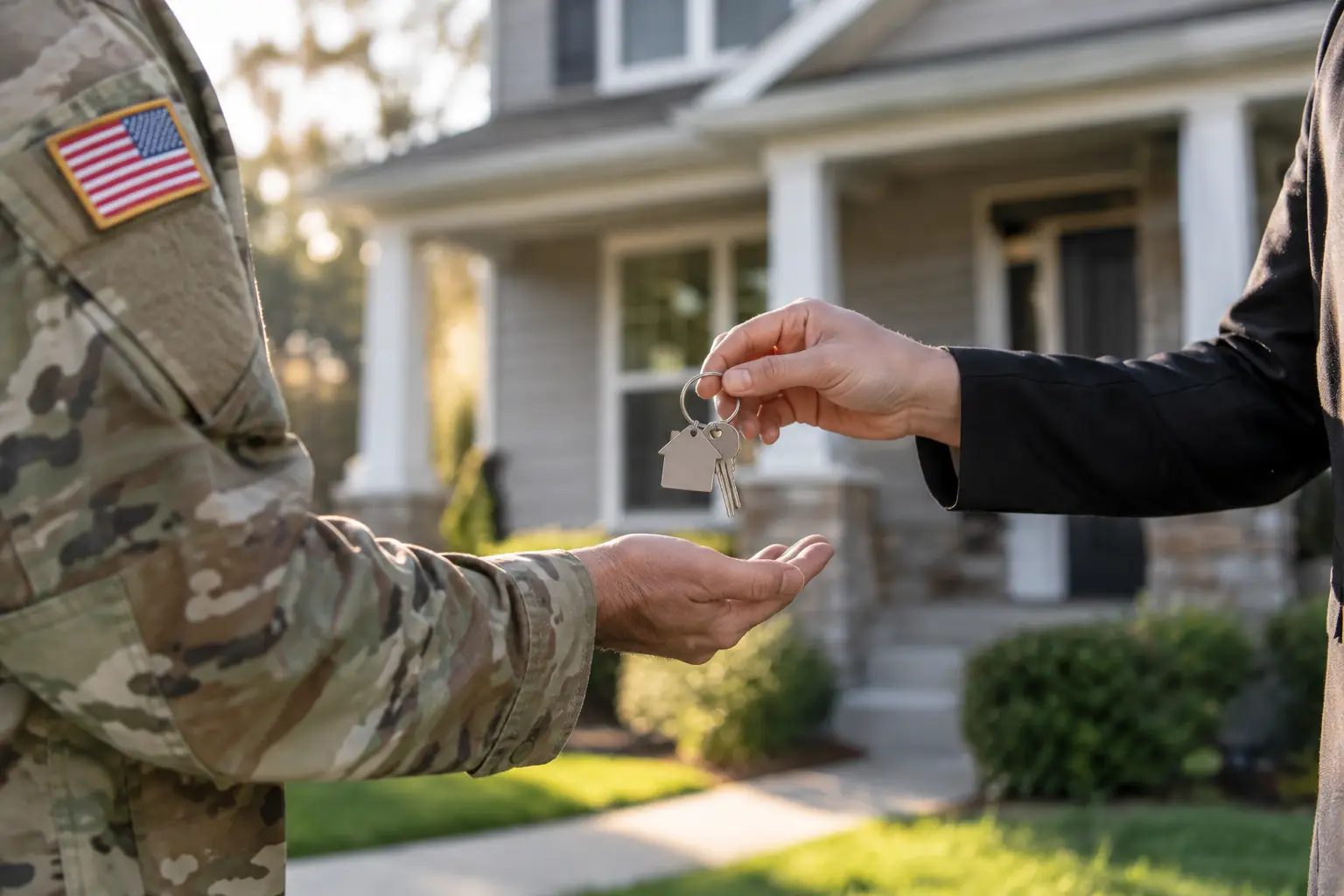
If you are a veteran exploring VA benefits, include that in the conversation. Ask about the requirements rather than assuming either that you qualify or that the option is unavailable to you.
Save for More Than the Down Payment
Your down payment is important, but it should not be your entire savings plan. The original article identified two other priorities: closing costs and money left over after the move.
Include Closing Costs in Your Target
Closing costs are usually 2% to 5% of the home's purchase price, in addition to the down payment. Keep those two categories separate when thinking through the money you need up front.
Ask your lender to walk through both. A useful question is: “What should I plan to save for the down payment, and what should I plan to save for closing costs?”
Keep Savings Available After You Move In
Your down payment should not drain every dollar you have saved. It is important to keep money set aside for homeownership expenses after you move in.
As you prepare, organize your savings plan into three parts:
- Money for the down payment.
- Money for closing costs.
- Money you intend to keep available for expenses after the purchase.
Do your research, ask questions, and lean on a trusted advisor. The point is not simply to reach a down payment number. It is to understand the full savings picture before committing to a purchase.
Make Credit Part of Your Preparation
Your credit score is a number lenders use as an indicator of financial reliability. A higher score generally puts you in a better position to borrow more money at a better interest rate, though it does not guarantee a particular loan or outcome.
If credit is standing between you and an affordable mortgage, give it attention alongside your savings plan. The original article focused on two areas: paying on time and having a mix of credit types.
Make On-Time Payments a Priority
Paying bills on time supports improvement in your credit score. Late payments can hurt it. Start by looking at how you manage the bills you already have.
Where appropriate, consider automatic payments to make paying on time easier. Ask yourself which payments are hardest to keep track of and whether setting them up automatically would help you stay organized.
Understand Your Credit Mix
Auto loans, credit cards, and mortgages are different types of credit. Having a mix of credit types can help improve your score.
Treat that as something to understand, not an instruction to open accounts simply to create a mix. Bring questions about your existing credit to your mortgage conversation and ask what deserves attention as you prepare.
Turn Your Goal Into a Clear Next Step
You do not need to solve every homebuying question at once. Start by writing down what you have saved, what you want to keep in reserve, and the questions you have about your credit.
Then ask for help connecting those pieces. Which down payment options are worth exploring? How should you account for closing costs? What credit questions need a closer look?
Reach out to Ed Parcaut to talk through your homeownership goals and start building a practical preparation plan. Bring your questions, even if you are not ready to buy yet. Start with clarity, then decide on your next step.