Explore Your Options Before You Rule Out Buying
Saving for a down payment can feel like the biggest obstacle between you and a home. But before you decide you need to keep saving without a clear target, find out what your options actually are.
Down payment assistance, including grants and other opportunities, can help eligible buyers cover the upfront cost of a down payment. Low-down-payment loan options may also put buying within closer reach than you expected.
The important point is not that everyone qualifies for help. It is that you should not rule yourself out without asking.
Start with your own situation, not a headline or someone else’s down payment. A trusted lender can help you understand what may be available and how it fits your plans.
Make the Most of Your Down Payment Resources
For first-time buyers, the goal is to understand the resources designed to help you buy. Saving matters, but it is worth knowing whether your savings have to do all the work.
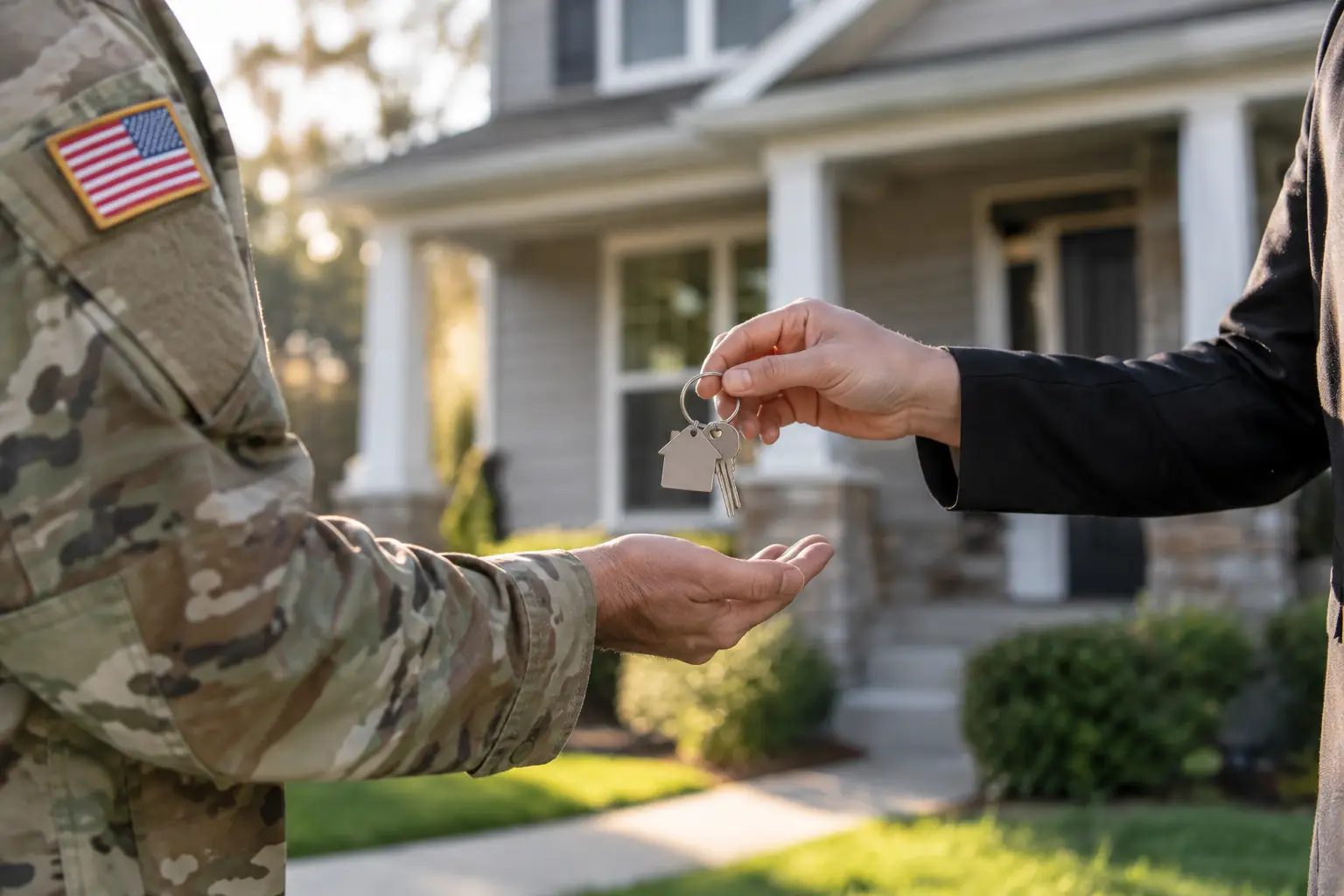
There are loan options with low down payment requirements. Certain qualified borrowers, including eligible veterans, may have options that do not require a down payment.
There are also down payment assistance opportunities. These include grants and other resources that may help cover the upfront amount needed for your down payment.
Those are two related conversations to have with a lender: what a loan requires you to put down, and whether assistance may help you meet that requirement.
Ask About Both Loans and Assistance
Do not stop at asking, “How much do I need to save?” Ask your lender to walk you through the options that may apply to you.
- Which low-down-payment loan options should I explore?
- What down payment assistance might I qualify for?
- Are there grants or other opportunities worth reviewing?
- If I am a veteran, which options should we discuss?
- How would each option affect my down payment and monthly mortgage payment?
You do not need to know the answers before starting the conversation. The purpose of that conversation is to replace assumptions with a clearer understanding of where you stand.
If you never check what is available, you may overlook help that could support your purchase. Exploring your options is not a promise of approval. It is a practical step toward making an informed decision.
Understand What a Larger Down Payment Can Do
Down payment resources may help boost the amount you can put toward a home. A larger down payment could lower your eventual monthly mortgage payment. It may also help reduce or avoid costs such as private mortgage insurance.
That makes the down payment conversation about more than getting to the purchase. It is also about understanding the housing payment you would be taking on.
Rather than focusing only on the smallest amount you could put down, ask your lender to compare the options available to you.
Compare the Payment, Not Just the Upfront Amount
A useful question is, “What would change if I put more down?” Follow that with, “Would that affect mortgage insurance or other costs?”
Ask for a plain-English explanation of the differences. You want to understand both the amount needed upfront and the eventual monthly mortgage payment.
The goal is not to copy another buyer’s plan. It is to understand what your own down payment choices could mean before choosing a direction.
Do Not Confuse Typical Down Payments With Requirements
A headline about a large typical down payment can make buying feel out of reach. But the amount other buyers choose to put down is not the same thing as the amount a loan requires.
That distinction matters. A rise in typical down payments does not, by itself, mean down payment requirements are rising.
Some buyers choose to put more down to lower their monthly mortgage payment. Others already own a home and use equity from its sale toward their next purchase.
Neither situation tells you what you personally need to bring to the table. Your next step is to ask about the requirements for the options you may qualify for.
Why Some Buyers Put More Down
There are two reasons highlighted in the original discussion that are worth understanding without getting distracted by a particular market headline.
- They want a lower monthly payment. Buyers who can make a larger down payment may choose to do so to lower their future housing costs. This can also be a way to offset the effect of higher mortgage rates.
- They have equity from a previous home. Homeowners whose properties have appreciated may be able to put that value toward their next purchase. That can give them more money for a down payment than a first-time buyer who has not owned a home.
If you are buying your first home, comparing your savings with a repeat buyer’s down payment may not be useful. They may be bringing equity to the purchase that you have not had the opportunity to build.
Turn the Information Into a Practical Plan
You do not need to solve every down payment question on your own. Start by explaining what you have saved, what kind of monthly payment you are hoping for and what you want to understand about assistance.
Then ask the lender to help you connect those pieces. Which options are worth exploring? What might you qualify for? How would a different down payment affect the payment?
Keep the conversation focused on your circumstances rather than a typical buyer’s numbers. Assistance may be available, and a smaller down payment may be possible, but the useful answer is the one that applies to you.
Your next step: Write down your down payment questions and reach out to Ed Parcaut, NMLS 235384. Ask Ed to review your loan and assistance options so you can better understand where you stand and what to explore next.