Your Down Payment Is Not the Whole Budget
You have saved for a down payment, found a home, and started talking about a mortgage. Then someone mentions closing costs. Suddenly, the amount you need looks different.
That does not automatically mean someone slipped extra charges into the deal. Buying a home involves several services, bills paid in advance, and sometimes deposits into an account that pays future expenses.
The problem is that people often lump all of those items together. The easiest way to understand closing costs is to separate what you are paying, why you are paying it, and whether you have a choice.
Put the Money Into Four Buckets
1. Your Down Payment
This is the portion of the purchase price you pay rather than borrow. It is not a closing fee. It becomes part of your ownership stake in the home.
A loan with no required down payment can still have closing costs. That distinction matters, especially for veterans exploring VA financing.
2. Charges for Completing the Purchase and Loan
These pay for work involved in making the mortgage and transferring ownership. Depending on your transaction, they can include:
- Lender charges: Fees for processing, reviewing, and making the loan.
- Appraisal: An evaluation of the property's value for the lender.
- Title services and insurance: Work that checks ownership records and coverage against certain title problems. A lender's title policy protects the lender, not the buyer.
- Escrow or settlement services: A neutral party handles funds and documents needed to complete the transaction.
- Recording charges: Fees for placing documents in public records.
Not every loan has every charge. Some programs also have their own fees or insurance requirements. Ask which apply to your loan and whether any exemption is available.
3. Bills Paid in Advance
Often called prepaids, these are expenses such as homeowners insurance and mortgage interest collected before regular billing begins.
Prepaid interest generally covers the period between closing and the end of that month. The amount depends partly on your closing date. Closing later in the month may reduce that line item, but it does not necessarily make the overall purchase cheaper.
4. Money Set Aside for Future Bills
Your lender may collect an initial deposit for an account used to pay property taxes and insurance. This is often called an escrow account, or an impound account in California.
That account is different from the escrow company handling your purchase. The same word gets used for two different jobs.
This deposit is money reserved for your bills, not a fee the lender keeps for making the loan. Whether the account is required depends on the loan and lender rules.
Understand the Number You Actually Need
Cash to close means the remaining money you need to bring to complete the purchase. It generally combines your down payment and closing expenses, then accounts for deposits already paid, credits, and other adjustments.
Your earnest money deposit is usually credited toward that total. It is not normally an additional cost on top of your down payment and closing expenses.
Some expenses may also be paid before closing, such as an inspection or appraisal. Ask which charges are already paid so you do not count them twice.
Then keep a separate budget for moving, utility setup, immediate repairs, and emergency savings. The amount needed to close is not the same as the amount needed to move in comfortably.
Use the Paperwork to Compare, Not Just Confirm
For most home purchase mortgages, you should receive a Loan Estimate within three business days after submitting a qualifying application. It outlines the proposed loan terms, payment, closing expenses, and estimated cash to close.
Use it to ask questions before you are deep into the transaction. If you compare lenders, request estimates using the same loan amount, loan type, down payment, and rate-lock assumptions. Quotes prepared at different times may reflect different pricing.
Do not compare only the bottom-line total. One estimate might show lower tax or insurance assumptions without actually offering a less expensive loan. Compare lender charges, interest rates, and credits separately from estimated property expenses.
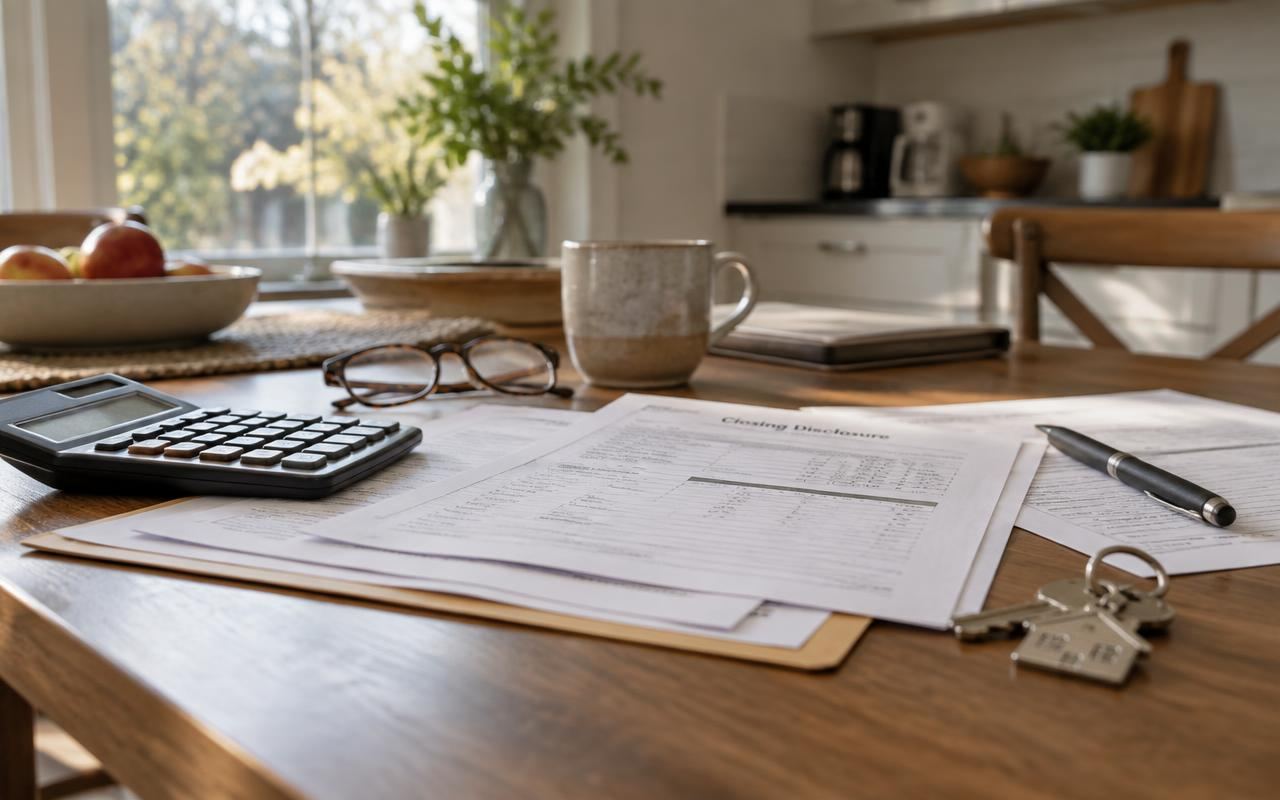
For most purchase mortgages, you must receive the Closing Disclosure at least three business days before closing. This provides the final loan terms and costs. Compare it with your Loan Estimate and ask for an explanation of changes. Some charges have limits on how much they can increase, while others can change under applicable rules.
Your Options, and What Each One Costs You
Shop Where Shopping Is Allowed
Your Loan Estimate identifies services you can shop for. Ask for the lender's provider list and confirm requirements before choosing another company.
Compare the full service package, not just one advertised fee. Price matters, but so do responsiveness and the ability to meet your contract deadlines. Government charges are generally not negotiable, while some lender charges may be.
Request a Seller Credit
A seller may agree to pay part of your eligible closing expenses. This can preserve your savings, but the seller will weigh that request against the rest of your offer.
Credits are subject to loan-program limits and cannot be used for everything. Do not assume unused credit becomes cash back or covers your down payment. Have your lender and real estate agent coordinate before you write the offer.
Consider a Lender Credit
A lender credit can reduce upfront expenses, commonly in exchange for a higher interest rate. You bring less money now but may pay more each month and over time.
Ask for a side-by-side comparison showing the upfront savings and payment difference. A “no-closing-cost” offer usually means costs are covered another way, not that they disappear.
Decide Whether Paying Points Makes Sense
Discount points are optional upfront charges paid to obtain a lower interest rate. One point equals one percent of the loan amount, but the rate reduction it buys varies.
Ask how long the monthly savings would take to recover the upfront cost. Consider how long you realistically expect to keep the mortgage. Do not build the decision around an assumed future refinance.
A Simple Plan Before Closing
- Set your cash limit. Decide what you can spend while keeping a reasonable reserve.
- Request an itemized estimate. Separate fees, prepaid bills, account deposits, and the down payment.
- Review alternatives early. Ask about credits, optional points, assistance programs, and any program-specific exemptions.
- Confirm the final amount. Check that deposits, credits, and expenses already paid are reflected correctly.
- Verify payment instructions independently. Call the closing company using a trusted, previously verified number before sending money. Do not rely on emailed instructions alone.
You do not need to memorize mortgage terminology. You need clear answers about where your money is going and what each option changes.
Your next step is to gather your Loan Estimate, savings target, and questions. Reach out to Ed Parcaut, a Modesto mortgage professional, U.S. Navy veteran, and NMLS 235384, to walk through the numbers and discuss a plan that fits your situation.